

 My BDx
 Channel Partners


How AI Factories Are Reshaping the Modern Data Center
-

-
 Blog
Blog
-
Technology
-
How AI Factories Are Reshaping the Modern Data Center
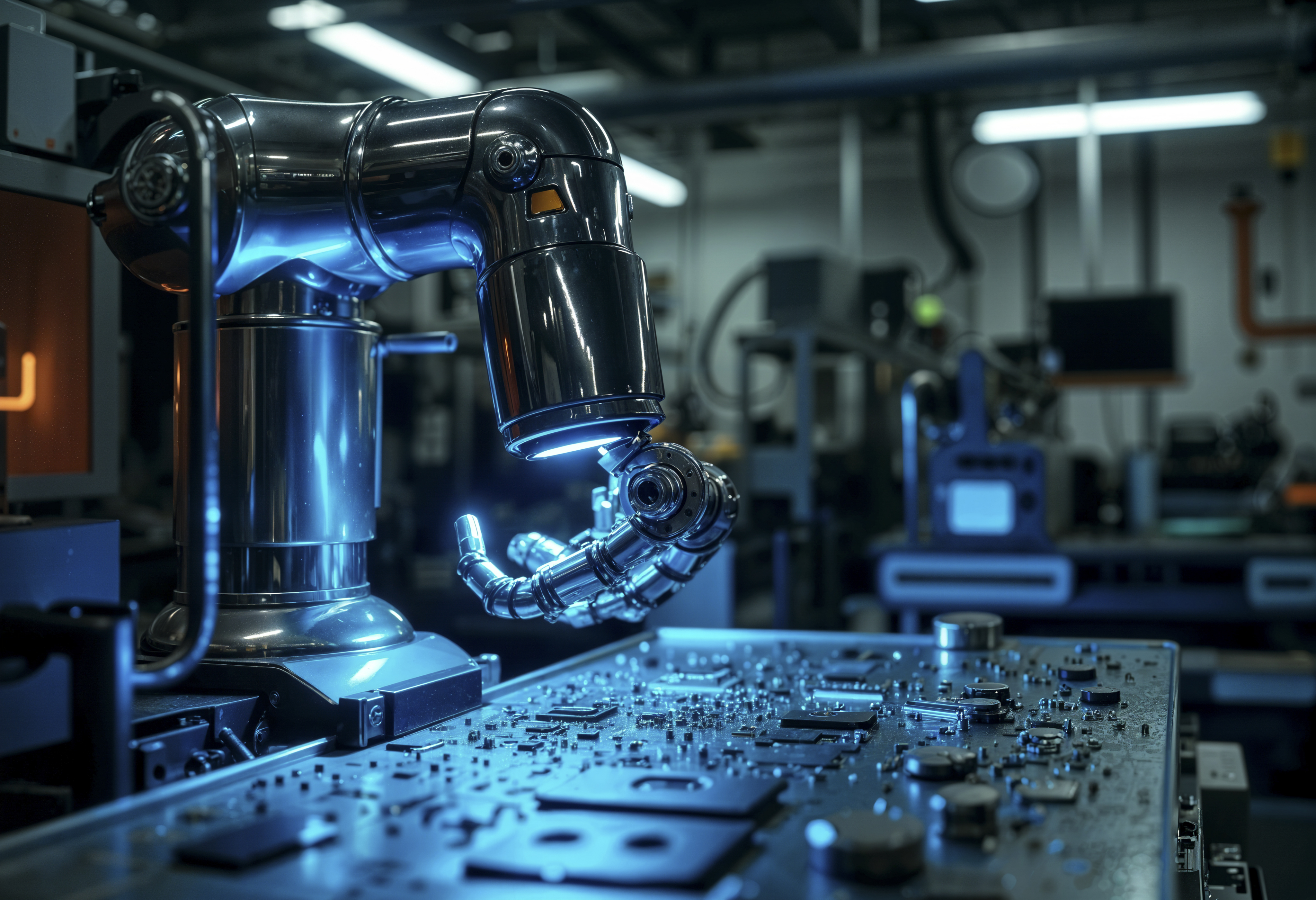
For decades, building a data center meant designing for stability. You secured land, locked in power, engineered resilience, and planned for a 20‑ to 30‑year lifespan. If done well, the facility evolved predictably through incremental upgrades.
Artificial intelligence has changed that equation.
What we are witnessing is not simply increased demand for compute, but a structural shift in how digital infrastructure must be designed, powered, and operated. The traditional data center — built for gradual growth and long refresh cycles — is giving way to something fundamentally different.
I often describe this new model as the “AI factory.” The distinction matters. A traditional data center hosts infrastructure. An AI factory produces intelligence at industrial scale, continuously adapting to new hardware generations, higher densities, and evolving workloads — without compromising uptime or efficiency.
The pace of change is unprecedented. Rack densities that once averaged single digits now exceed 200 kilowatts in AI‑ready facilities, where direct‑to‑chip liquid cooling is becoming standard. As next‑generation systems push even higher, hardware cycles are accelerating — forcing data centers to evolve faster than the buildings that house them. Infrastructure can no longer be designed for stability alone, but for continuous reinvention.
At the same time, the defining constraint for AI growth is no longer just silicon — it is energy. Across Asia, the critical question is shifting from “Where can we build?” to “Where can we power?” Access to reliable, long‑term — and increasingly renewable — energy is becoming the strategic determinant of where AI ecosystems can scale. Markets with structural power advantages are emerging as hyperscale hubs, while others must innovate through efficiency, smarter deployment models, and regional collaboration.
Cooling has moved from operational detail to strategic enabler. Traditional air systems were never designed for the thermal intensity of modern accelerators. Advanced liquid cooling is now foundational, shaping performance, sustainability, and long‑term economics.
AI is also reshaping infrastructure architecture itself. Large‑scale model training demands concentrated, purpose‑built environments with significant contiguous power. Inference — the real‑time application of AI — must move closer to users. The future will not be centralized or distributed alone. It will be intelligently hybrid.
And even as we adapt to GPU‑driven transformation, emerging technologies such as quantum computing are introducing new architectural and operational considerations.
All of this signals a deeper evolution. The data center is no longer passive infrastructure — it is becoming an active platform for digital production and a core engine of AI economies.
The operators who succeed in this era will not simply add capacity. They will rethink design philosophy, embed energy strategy at the core, and build infrastructure capable of evolving as rapidly as the intelligence it supports.
I recently explored these themes in greater depth in a conversation with Frontier Enterprise, discussing the operational realities behind AI factories and what this transformation means for infrastructure leaders across the region.
For those interested in the full discussion:
https://www.frontier-enterprise.com/bdx-ceo-on-why-ai-factories-are-changing-data-centres/